
How Better Construction Planning Can Prevent Delays Before Work Begins
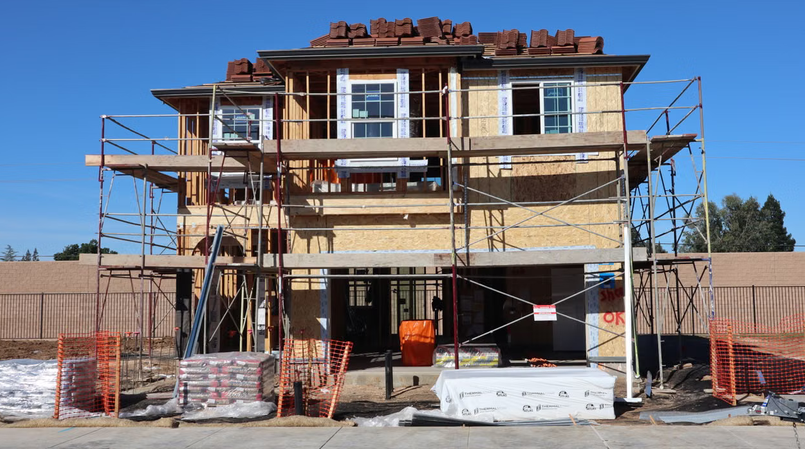
Construction delays often begin before workers arrive on site. Missing information, unclear responsibilities, late materials, and incomplete approvals can create problems that become harder to fix once work starts. Better planning helps project teams identify these issues early and creates a clearer path from the initial design to actual construction. It also plays an important role in finding the right balance with your development project, particularly when managing time, resources, and changing requirements. Planning does not remove every possible risk. Weather, supply problems, and unexpected site conditions can still affect schedules. However, a well-prepared project gives teams more time to respond. It also reduces avoidable disruptions that can consume labor, money, and valuable working days.
Reviewing Project Requirements
A strong construction plan starts with a careful review of project requirements. The team needs to understand the scope, drawings, specifications, permits, site conditions, and expected completion dates. Small gaps can become major problems later. An unclear measurement may require a design revision. A missing permit can prevent work from moving …




 According to
 A home’s layout plays a crucial role in ensuring accessibility for individuals who may have mobility challenges. Wide hallways, minimal stairs, and open floor plans make it easier for caregivers to assist with daily activities, from bathing and dressing …






 In an era where environmental sustainability is a key consideration, roofing materials are following suit. Sustainable options like recycled metal, solar tiles, and cool roofs are gaining popularity. Recycled metal roofing not only repurposes materials but also boasts durability and resistance to harsh weather conditions. Solar tiles integrate seamlessly into the roof, harnessing renewable energy and reducing reliance on traditional power sources. Cool roofs, designed to reflect sunlight and absorb less heat, contribute to energy efficiency by reducing cooling costs.

 Traditional outdoor lighting options, such as incandescent bulbs, consume a significant amount of energy and have a relatively short lifespan. In contrast, energy-efficient outdoor lighting options, mainly LED (Light Emitting Diode) fixtures, offer an eco-conscious choice. LEDs are known for their remarkable efficiency, consuming up to 80% less energy than traditional bulbs while lasting significantly longer.
 If you read the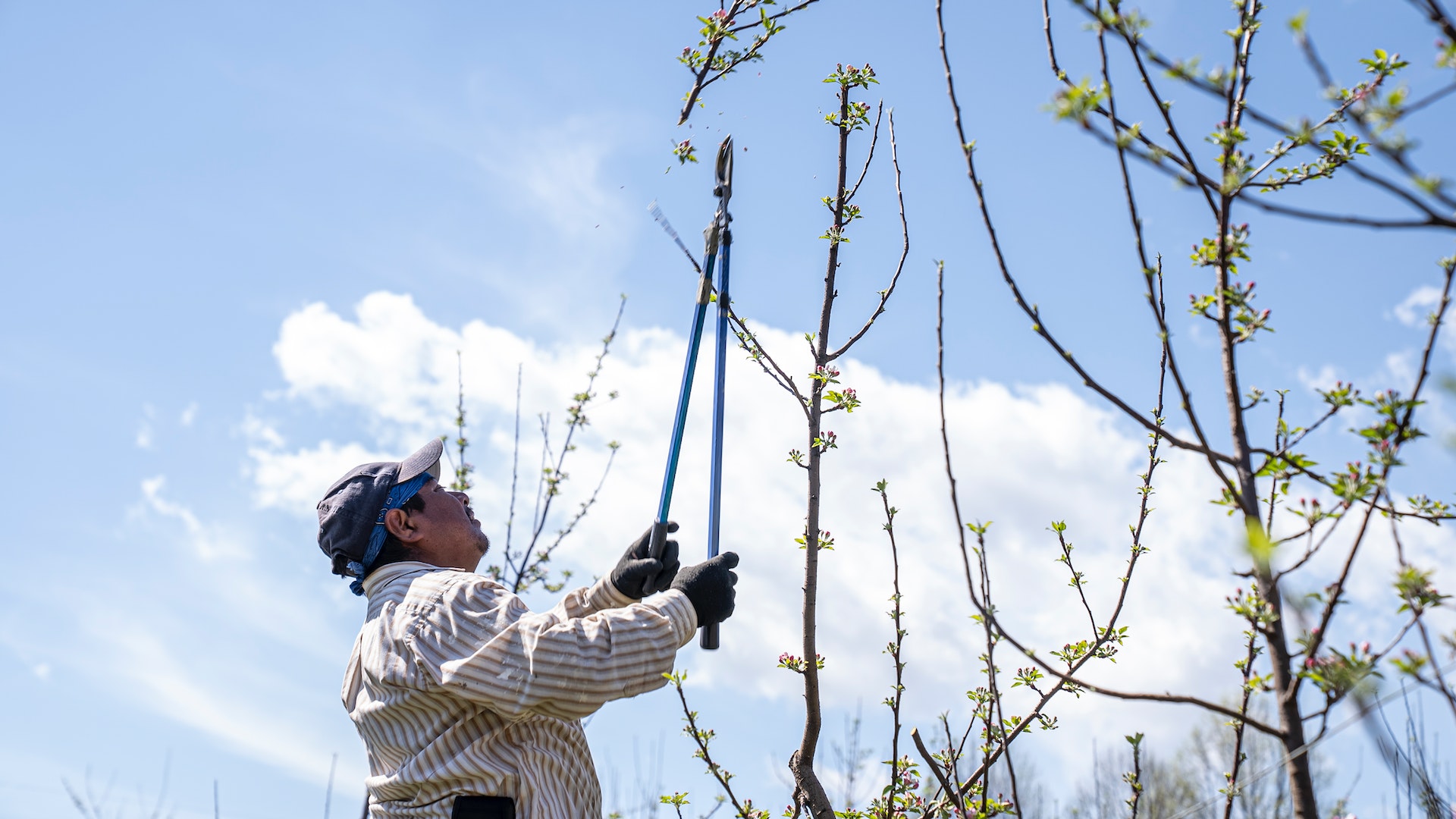
 One of the primary reasons why trimming your branches is essential is to prevent roof damage. Overgrown tree limbs can pose a significant threat to the integrity of your home’s roof. As they sway in the wind, those branches may scrape against shingles, causing them to loosen or even break off …






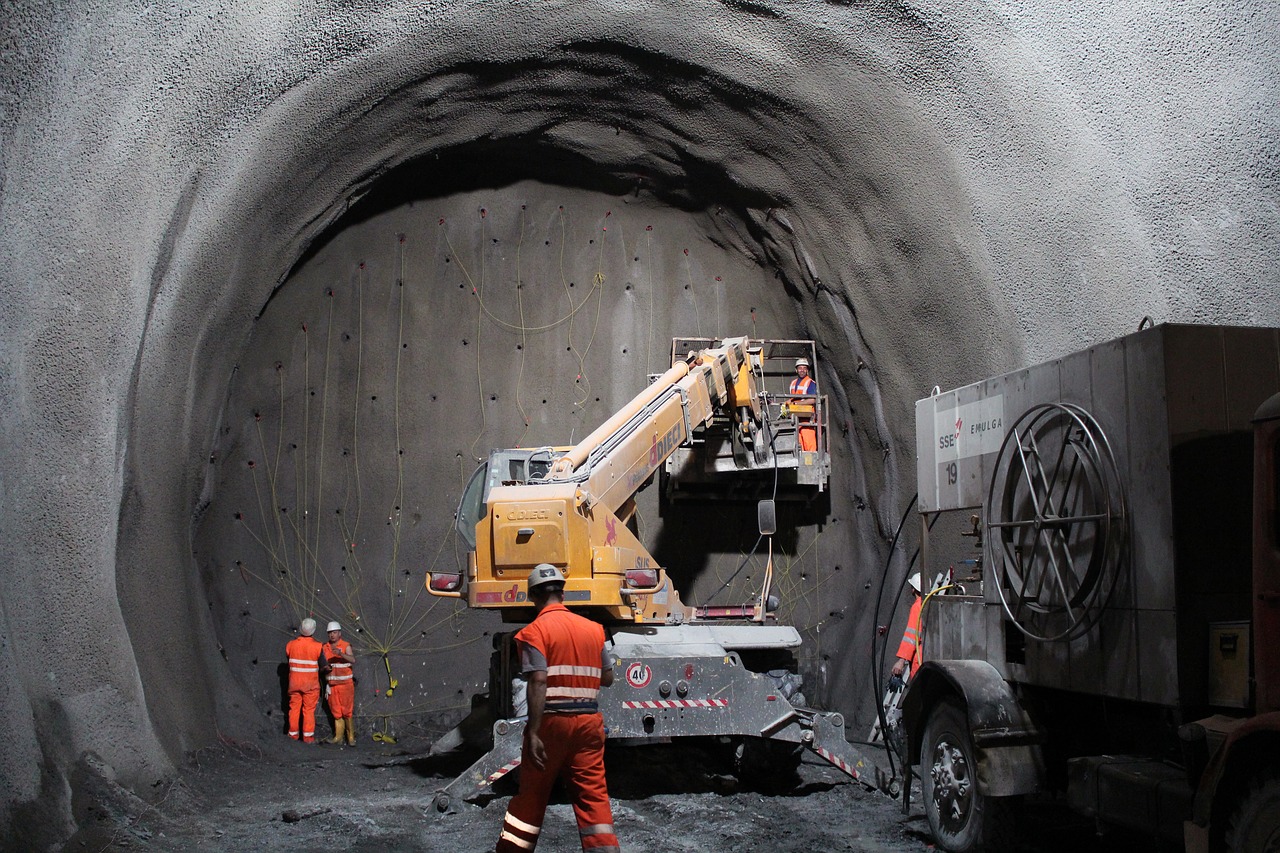
 Another reason homeowners prefer shotcreting is that it shortens the construction time. This means that you can enjoy your newly renovated home much sooner than if you were to use traditional methods. In addition, shotcreting requires less workforce, saving you money on your renovation project. This is ideal if you are looking forward to reducing your construction costs. Homeowners usually want to save as much money as they can on their home projects. This is so that they can use that money for future projects.


 The first consideration when buying a chandelier is the size of the room you are buying for. Not all rooms in your home will be able to fit the same sized fixture, so it’s essential to consider this aspect when making your purchase. If possible, measure out how much space is available before heading off to buy one online or visit various lighting stores in person. Each size has its unique look, so be sure to choose the one that best suits your decorating room.
 Knowing what you want before you …