




Construction delays often begin before workers arrive on site. Missing information, unclear responsibilities, late materials, and incomplete approvals can create problems that become harder to fix once work starts. Better planning helps project teams identify these issues early and creates a clearer path from the initial design to actual construction. It also plays an important role in finding the right balance with your development project, particularly when managing time, resources, and changing requirements. Planning does not remove every possible risk. Weather, supply problems, and unexpected site conditions can still affect schedules. However, a well-prepared project gives teams more time to respond. It also reduces avoidable disruptions that can consume labor, money, and valuable working days.
Reviewing Project Requirements
A strong construction plan starts with a careful review of project requirements. The team needs to understand the scope, drawings, specifications, permits, site conditions, and expected completion dates. Small gaps can become major problems later. An unclear measurement may require a design revision. A missing permit can prevent work from moving forward. A specification that conflicts with another document may cause confusion between contractors. Project managers should review documents before construction begins. Designers, engineers, contractors, and clients can discuss potential conflicts during this stage. Resolving them early is generally easier than making changes after crews and equipment are already on site.
Coordinating Teams and Responsibilities
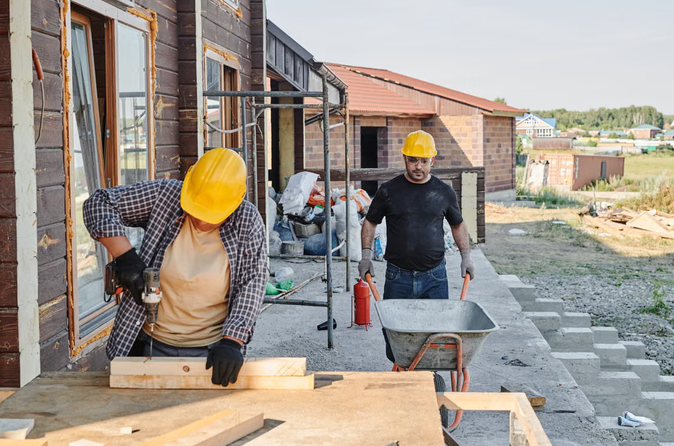
Construction involves many people with different responsibilities. Architects, engineers, contractors, subcontractors, suppliers, inspectors, and clients must often coordinate their activities. Poor communication can create delays even when every party is ready to work. One team may be waiting for information that another team assumes has already been provided. Clear responsibility helps prevent this problem. A planning meeting before construction can establish who handles specific tasks, approvals, inspections, and decisions. Communication channels should also be defined. When questions arise, workers should know who can provide an answer and how quickly it is expected.
Scheduling Materials and Equipment
Materials and equipment need to arrive at the right time. Ordering them too late can stop progress, while delivering them too early can create storage problems. A detailed schedule should identify materials with long lead times. These may include specialized components, custom products, mechanical systems, or items that require overseas shipping. Suppliers should receive accurate specifications and delivery requirements before orders are placed. Equipment planning matters as well. Cranes, excavators, lifts, and other machinery may need reservations. If equipment is unavailable when required, crews can lose productive time while waiting for alternatives.
Checking Site Conditions Early
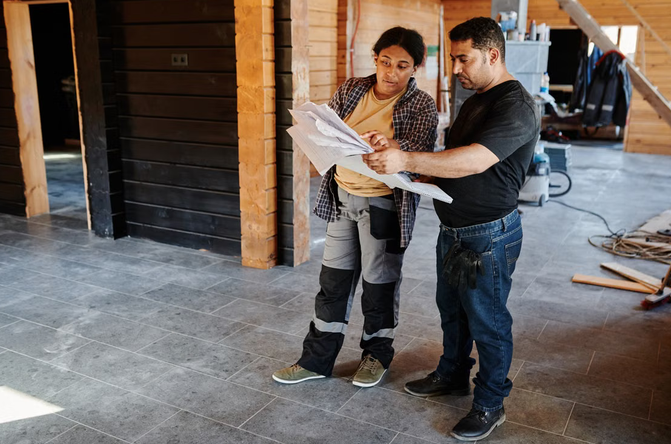
The physical site can reveal problems that are not obvious from drawings. Ground conditions, drainage, access routes, existing utilities, and surrounding structures can all influence construction activities. Site investigations before work begins allow project teams to identify these conditions. Surveys and inspections can provide information needed for design and scheduling decisions. Access should receive particular attention. Delivery vehicles need suitable routes, while workers require safe entry and exit points. Limited space can also affect material storage and equipment movement. Addressing these issues during planning can prevent avoidable interruptions once construction starts.
Managing Risks Before Construction
Risk management is most useful when it begins before construction. Teams can identify possible delays and consider practical responses before problems occur. A risk review may examine weather exposure, supply disruptions, labor availability, design changes, approval timelines, and site constraints. The goal is not to predict every event. It is to prepare for realistic problems that could affect the schedule. Contingency time can also be included for activities with greater uncertainty. This creates some flexibility without making the entire schedule unnecessarily long. Regular planning reviews can then update the schedule as new information becomes available.
Better construction planning creates a stronger foundation for the work that follows. Reviewing project documents, coordinating responsibilities, arranging materials, checking site conditions, and identifying risks can prevent many avoidable delays. The most effective planning happens before problems become urgent. A project team that addresses unclear drawings before construction starts has more options than one dealing with the same issue after work has begun. The same principle applies to materials, equipment, permits, and site access. Good planning is not simply about creating a detailed schedule. It is about connecting people, information, resources, and decisions before they are needed. When these elements are coordinated early, construction teams can begin with clearer expectations and fewer interruptions. A well-planned project still needs flexibility. Conditions can change, and unexpected issues may arise. However, preparation gives teams a better starting position and helps them respond without unnecessarily disrupting the wider schedule.