




Winter pushes your electrical system harder than any other season. Heaters switch on. Blankets come out. Power boards suddenly work overtime. If you’ve ever thought, “I should see electrical blog posts before plugging this in,” you’re already ahead of the curve. Cold weather increases the load on circuits. More load means higher risk. Safety during heating season is about awareness and discipline. But what looks like a harmless plug-in habit today can quietly build into a serious hazard tomorrow. Keep reading, because a few smart adjustments can make the difference between a cozy winter and a costly emergency.
Avoid Overloading Power Points
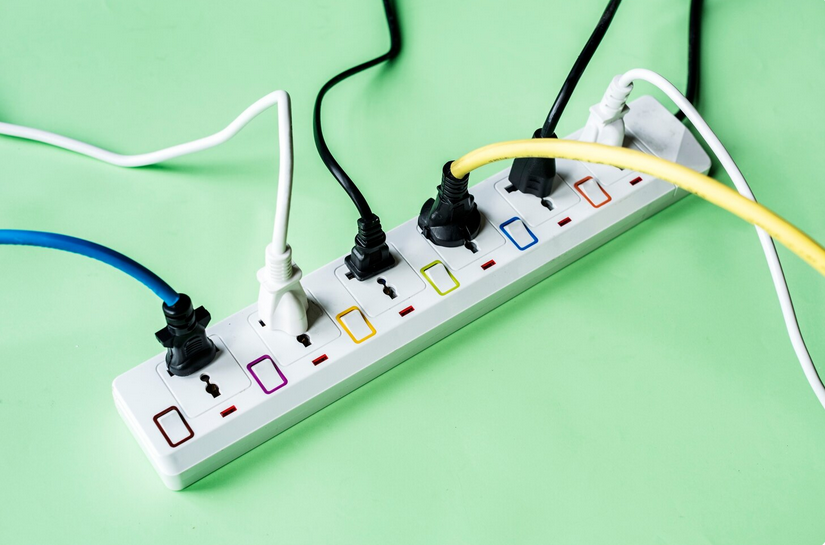
Space heaters consume serious wattage. Plugging them into crowded power boards is a recipe for overheating. One heater should use one wall outlet. Extension cords are temporary solutions. They are not a permanent infrastructure. Heavy-draw appliances should connect directly to fixed sockets. Check the rating on your heater. Compare it with your circuit capacity. Knowledge prevents silent strain. Warm outlets or flickering lights signal overload. Do not ignore these signs. They indicate stress inside the wiring. Spread electrical usage across different circuits. Balance reduces pressure. Balanced systems perform more reliably.
Inspect Cords and Plugs Regularly
Damaged cords increase fire risk immediately. Cracked insulation exposes wiring. That exposure creates sparks. Before each winter season, examine every heating appliance cable. Look for frays or discoloration. Replace compromised cords without delay. Loose plugs generate heat at contact points. That heat builds quietly. Over time, it can ignite surrounding material. Never run cords under rugs. Heat becomes trapped. Trapped heat escalates risk. Keep cords away from water sources. Moisture increases electrical hazards. Dry surroundings maintain safer conditions.
Use Heaters With Built-In Safety Features
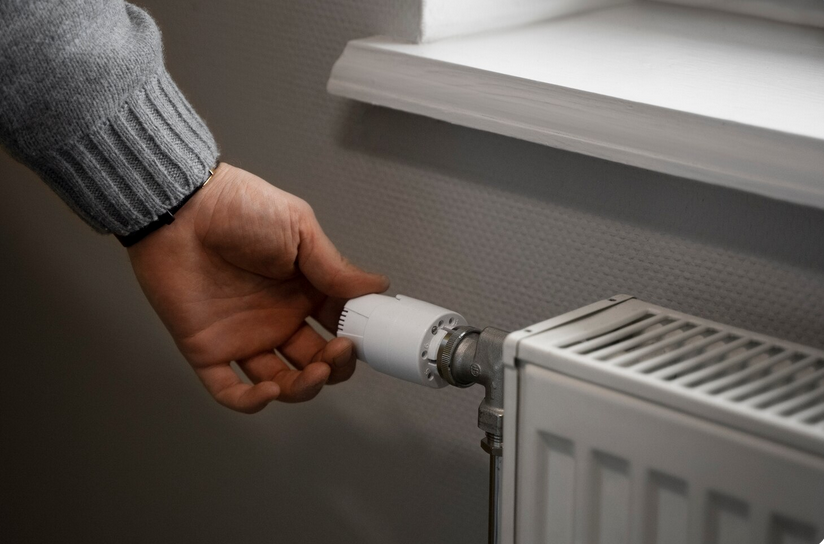
Modern heaters often include tip-over protection. If the unit falls, it shuts off automatically. That feature reduces accident potential. Overheat protection is equally important. Internal sensors cut power when temperatures climb too high. Automatic shutdowns prevent escalation. Choose appliances with clear certification labels. Compliance reflects adherence to safety standards. Certified products offer stronger reliability. Avoid outdated units with questionable performance. Older heaters lack current safeguards. Replacing them improves peace of mind. Position heaters on stable, flat surfaces. Stability prevents unexpected movement. Secure placement limits hazards. Investing in modern safety functions dramatically lowers the chance of small mistakes turning into serious incidents.
Schedule Electrical System Checks
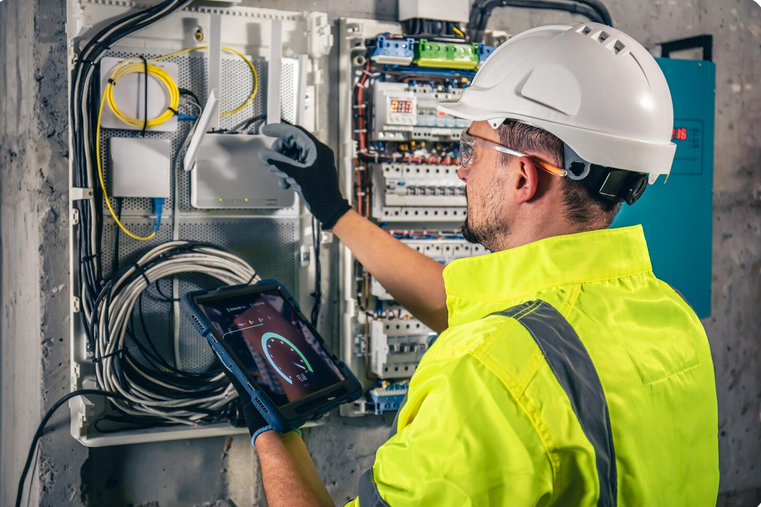
Winter exposes weaknesses in wiring. Increased demand highlights aging circuits. A professional inspection identifies hidden issues. Circuit breakers should trip properly under overload. If they fail to respond, the risk increases. Testing ensures protective mechanisms work. Switchboards may need upgrades in older homes. Modern living draws more power than past decades anticipated. Updated panels handle load better. Smoke alarms must remain functional. Test them monthly during heavy heating use. Early detection saves lives.
Routine evaluation costs less than emergency repairs. Preventive action strengthens system resilience. Confidence grows when systems are verified. Electrical safety during winter is not dramatic. It is practical. Small steps prevent major incidents. Respect the load your heating appliances place on wiring. Monitor performance indicators. Replace faulty components promptly. Fire hazards often begin quietly with these signs: a warm outlet, a faint smell, and a flicker. Stay alert. Apply disciplined habits. With the right precautions, winter comfort and electrical safety can coexist without compromise.