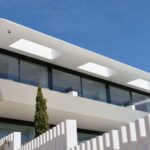

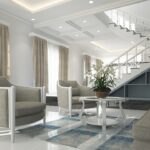


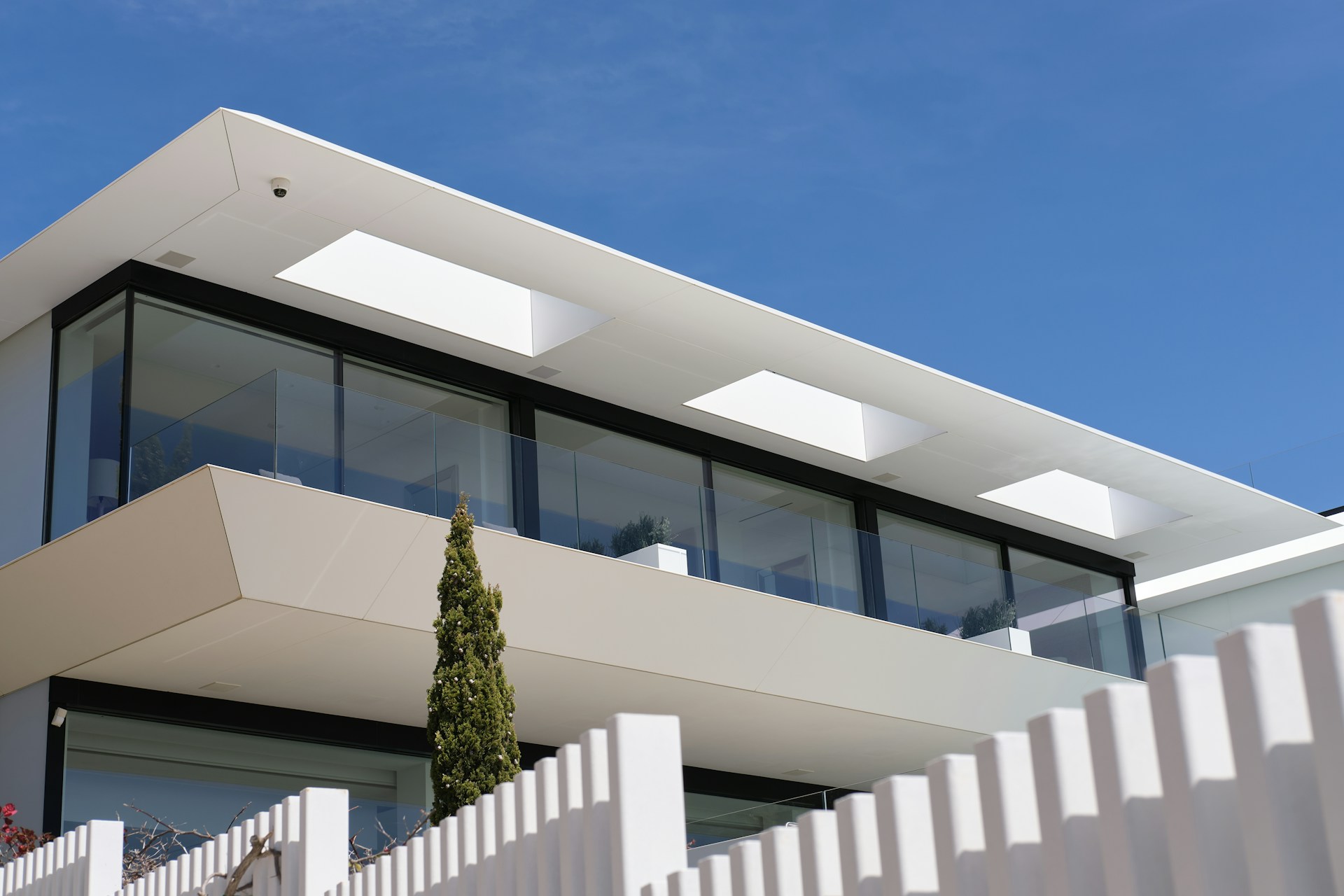
Energy efficiency has become a key consideration for modern homeowners. Prefabricated homes, or prefab homes, offer unique opportunities to minimize energy consumption. Efficient designs help reduce utility costs, improve comfort, and lessen environmental impact. In today’s climate-conscious world, energy-efficient homes are both a financial and ecological investment.
Prefabrication and Controlled Construction
 According to www.immobilien.de, one advantage of prefab homes is that most components are built in a factory-controlled environment. This allows for precise measurements, reduced material waste, and careful installation of insulation. Walls, roofs, and floors are manufactured to exact specifications, which ensures airtight construction. Controlled production minimizes gaps and inconsistencies that can lead to heat loss or energy inefficiency.
High-Performance Insulation
Insulation plays a critical role in maintaining consistent indoor temperatures. Prefab homes can incorporate high-performance insulation in walls, roofs, and floors. Materials such as rigid foam panels, mineral wool, and spray foam create thermal barriers that reduce heating and cooling needs. Proper insulation ensures the home remains comfortable year-round, reducing reliance on energy-intensive HVAC systems.
Efficient Windows and Doors
Windows and doors are common sources of energy loss in traditional homes. Double or triple-glazing, low-emissivity coatings, and insulated frames help maintain indoor temperatures. Strategically placed windows can also maximize natural light, reducing the need for artificial lighting during the day.
Smart HVAC Integration
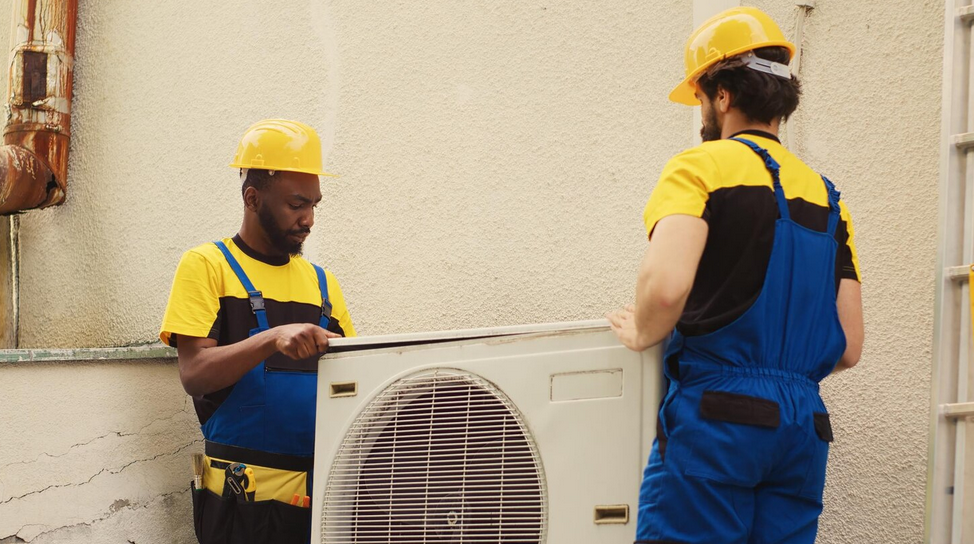
Prefabricated homes can integrate heating, ventilation, and air conditioning (HVAC) systems during the manufacturing process. Modern systems include programmable thermostats, zoned heating, and energy recovery ventilation. Proper integration ensures that HVAC units operate efficiently, providing optimal comfort while lowering energy consumption. Energy modeling during design can predict performance and identify potential improvements.
Renewable Energy Options
Prefab homes can be designed to incorporate renewable energy sources. Solar panels, wind turbines, or geothermal systems can be integrated during construction, reducing long-term utility costs. Solar-ready roofs and pre-wired systems make installation easier and more cost-effective. Homeowners gain energy independence and contribute to a more sustainable lifestyle, a unique advantage of modern prefab design.
Water and Resource Efficiency
 Energy efficiency extends beyond heating and cooling. Prefabricated homes can include water-saving systems such as low-flow fixtures, rainwater harvesting, and greywater recycling. Efficient appliances, LED lighting, and smart energy management systems further reduce resource use. By combining these measures, homeowners can ensure a more sustainable and cost-effective living environment.
Investing in energy-efficient prefabricated homes provides long-term financial and environmental benefits. Reduced utility bills, lower maintenance costs, and increased property value make these homes appealing to homeowners. Sustainable designs also adapt better to future energy standards and climate conditions. By focusing on efficiency during construction, prefab homes can deliver comfort, savings, and environmental responsibility for decades.