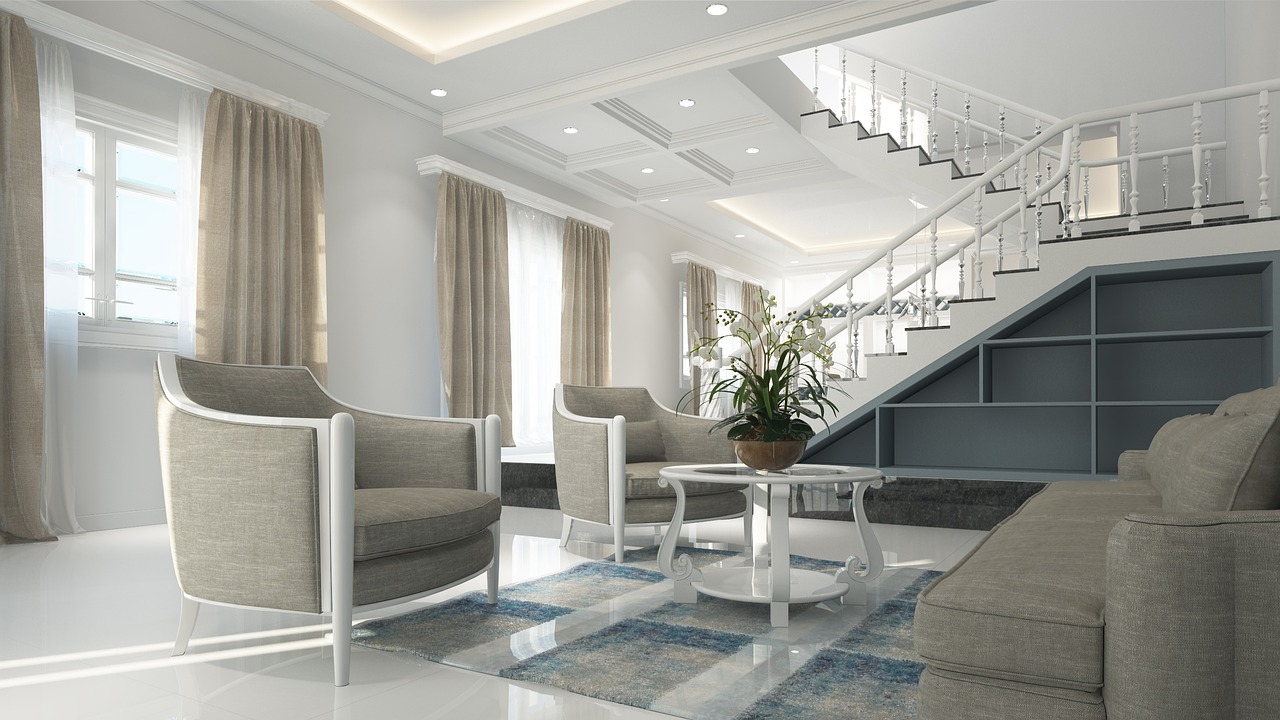




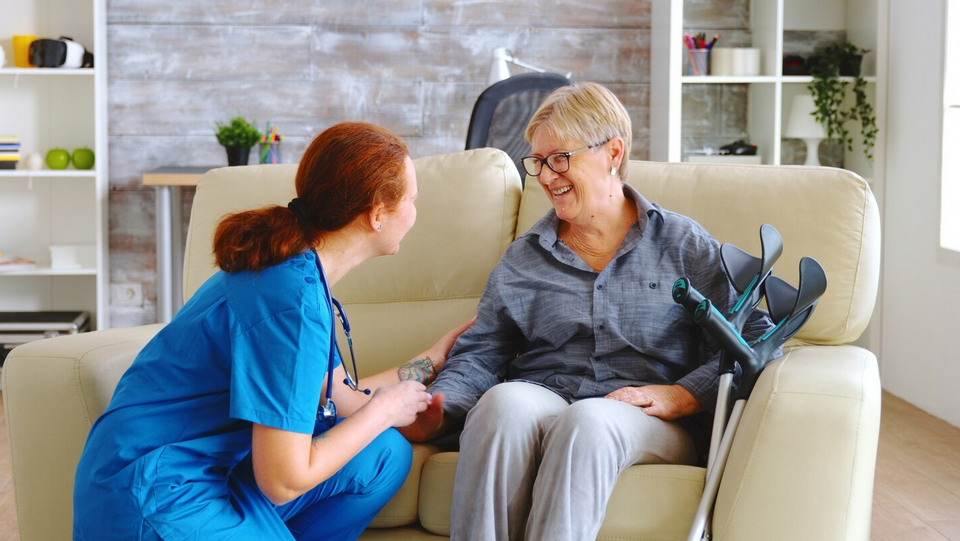
Choosing the right home is about more than aesthetics or investment potential—it can directly affect the quality of care for aging family members. Features like single-level layouts, accessible bathrooms, and proximity to essential services play a crucial role in ensuring comfort, safety, and independence for seniors. Resources such as a caregiver’s guide to preparing a comfortable and safe home for aging loved ones highlight practical considerations that help families make informed decisions when buying or modifying a property. Thoughtful real estate choices can reduce daily challenges, prevent accidents, and provide an environment where caregiving is more manageable and effective. By understanding how home design impacts caregiving, families can create spaces that support well-being, enhance mobility, and foster a sense of security for those who need it most.
Accessibility and Mobility Considerations
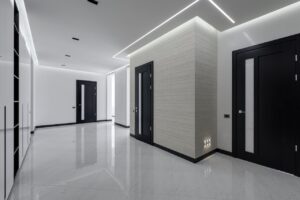 A home’s layout plays a crucial role in ensuring accessibility for individuals who may have mobility challenges. Wide hallways, minimal stairs, and open floor plans make it easier for caregivers to assist with daily activities, from bathing and dressing to moving around the house. Features such as ramps, stairlifts, or single-level living spaces reduce the physical strain on both caregiver and care recipient. Choosing a property with accessibility in mind helps prevent accidents and promotes independence for those receiving care.
Safety and Adaptability Features
Safety is a top priority in homes designed for caregiving. Properties with features such as non-slip flooring, well-lit hallways, and easily accessible exits contribute to a secure environment. Additionally, homes that can be adapted over time to meet evolving care needs are invaluable. Flexible spaces, such as rooms that can be converted into offices or medical areas, allow families to adjust their homes without major renovations, supporting long-term care planning.
Reducing Stress Through Thoughtful Design
Beyond functionality, thoughtful real estate decisions contribute to emotional well-being. A home that is comfortable, spacious, and easy to navigate reduces stress for caregivers, allowing them to focus on providing quality care. It also fosters a sense of autonomy and dignity for care recipients. Integrating considerations such as natural light, quiet areas, and accessible storage further enhances the caregiving experience and makes daily routines more manageable.
Bedroom and Bathroom Placement
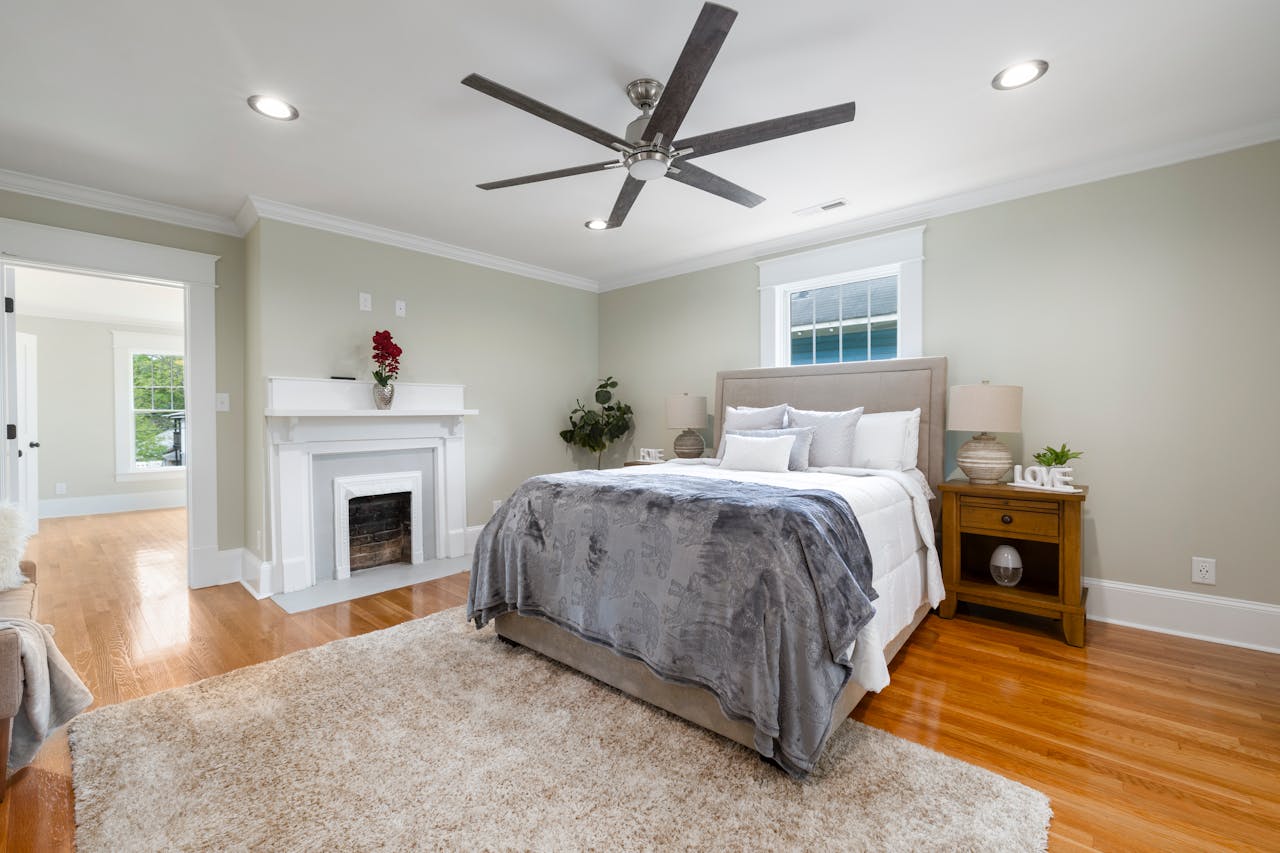
The placement of bedrooms and bathrooms within a home has a direct impact on caregiving efficiency. Ideally, bedrooms should be located close to bathrooms to minimize the need for long or challenging trips. Ensuring that bathrooms are spacious and can accommodate necessary equipment like walkers, wheelchairs, or grab bars is also critical. Proper placement reduces the time and effort required to provide care and enhances comfort and privacy for the person receiving assistance.
Community and Location Benefits
Real estate choices also extend to the neighborhood and the surrounding community. Proximity to medical facilities, pharmacies, and support services can ease the logistical challenges of caregiving. Access to parks and social spaces encourages recreation and engagement, which are essential for mental and physical well-being. A strategically located home ensures that both caregivers and care recipients can access necessary resources while maintaining a balanced lifestyle.
Real estate choices have a significant impact on the success and ease of caregiving at home. From accessibility and room placement to safety features and community location, the right property can support both the caregiver and the individual receiving care. By prioritizing functionality, adaptability, and comfort, families can create a home environment that enhances quality of life and reduces the challenges associated with at-home care. Thoughtful real estate decisions are not just property investments—they are investments in the health, safety, and well-being of everyone in the household.